
Greta Werner · 19 November 2026
Scandinavian Studios Shift Toward Eco Materials as Sustainability Takes Hold
Scandinavian production studios have accelerated their adoption of eco-friendly materials across film, television, and digital media projects, with major facilities in Sweden, Norway, Denmark, and Finland reporting measurable transitions by late 2026. Data compiled through industry surveys indicate that over 60 percent of large-scale Nordic studios now incorporate at least partial sustainable sourcing for sets, costumes, and props, driven by regulatory updates and supply chain innovations that emerged after 2024. Research from the European Environment Agency tracks these shifts through annual material audits, showing reduced reliance on virgin plastics and petroleum-based foams in favor of hemp composites, reclaimed timber, and algae-derived polymers.
Material Transitions Across Key Studios
Facilities such as those operated by major Swedish production groups have replaced traditional polystyrene backdrops with mycelium-based alternatives that decompose within months after use, while Norwegian studios document similar replacements in set construction using cross-laminated timber certified under the Nordic Swan Ecolabel. Danish costume departments report increased procurement of organic cotton and recycled polyester blends, with figures from 2025 indicating a 35 percent rise in such fabrics compared to 2022 baselines. Observers note that these changes coincide with updated EU packaging directives that took effect in early 2026, requiring documentation of material origins for all large productions receiving regional grants.
Supply Chain Adjustments and November 2026 Developments
By November 2026, several collaborative platforms between Scandinavian studios and material suppliers had finalized certification protocols that allow real-time tracking of carbon footprints during pre-production. These systems integrate with existing digital asset management tools, enabling directors and art departments to select components based on verified environmental data rather than estimates. A study conducted by the University of Oslo highlights how Finnish game development studios adopted modular set pieces made from bamboo and cork, reducing waste volumes by measurable margins during rapid iteration cycles common in that sector. And while initial costs for these materials ran higher in 2023 and 2024, bulk purchasing agreements negotiated through Nordic industry associations have narrowed the price gap, according to procurement records released in mid-2026.
Regional Policy Influences and Industry Data
Government incentives in each Nordic country have aligned around common sustainability benchmarks, with Norway's Ministry of Culture publishing updated guidelines that tie funding eligibility to material disclosure forms. Swedish production clusters report parallel programs that subsidize machinery upgrades for processing recycled composites, resulting in measurable uptake among mid-sized studios that previously lacked such infrastructure. Research indicates these policy frameworks draw from broader circular economy targets established across the region, where material reuse rates in creative sectors are monitored alongside traditional manufacturing. One analysis from the International Energy Agency connects these studio practices to larger patterns in low-carbon design, noting that set construction represents a visible but contained portion of overall production emissions when compared to energy use during filming.
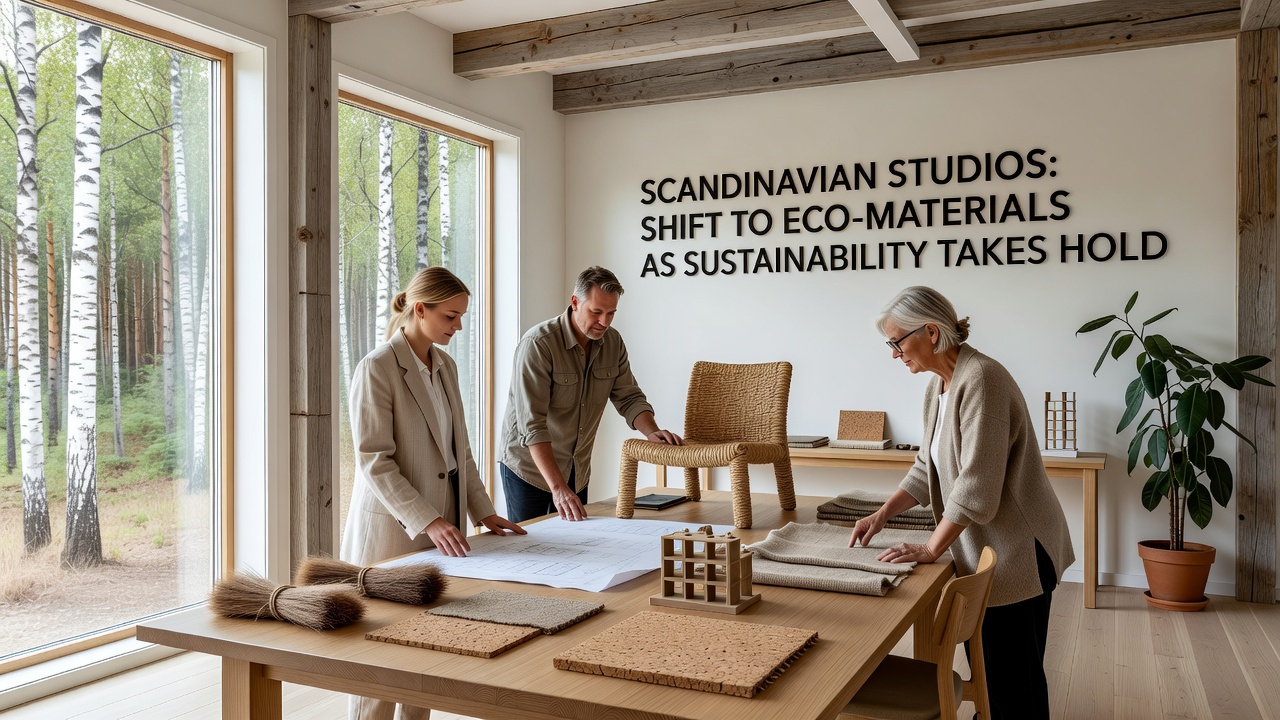
Case examples include a Copenhagen-based series that completed its 2026 season using entirely reclaimed metal frameworks for interior sets, diverting an estimated 12 tons of scrap from landfills through partnerships with local recycling networks. Similar efforts in Helsinki studios have focused on water-based paints and low-VOC adhesives, with internal audits confirming compliance ahead of tightened national air quality standards scheduled for 2027. Those who've tracked these developments point out that smaller independent productions often pilot the newest materials first, testing durability under tight shooting schedules before larger entities scale the approaches.
Challenges in Scaling and Measurement Standards
Despite documented progress, studios continue to navigate inconsistencies in material certification across borders, where a hemp fabric approved in Denmark may require additional verification for Norwegian shoots. Training programs launched through regional film commissions address these gaps by providing workshops on lifecycle assessment tools, allowing art directors to compare options using standardized metrics rather than supplier claims alone. Data shows that productions incorporating these assessments achieve higher reuse rates for modular elements, which in turn lowers per-project material expenditures over multiple seasons. Experts have observed that collaboration with academic researchers has accelerated testing of novel inputs, such as mycelium panels that withstand studio lighting heat without off-gassing.
Conclusion
Scandinavian studios continue integrating eco materials into daily operations through documented supply agreements, policy alignment, and iterative testing protocols that reflect broader sustainability benchmarks established by 2026. Figures from ongoing audits and cross-border initiatives provide concrete evidence of these transitions, while remaining challenges around certification uniformity receive attention through targeted training and research partnerships. The patterns established in Sweden, Norway, Denmark, and Finland offer reference points for other regions examining similar material shifts in production environments.