Greta Werner · 10 September 2026
Nordic Innovation Clusters Champion Eco-Conscious Creative Practices
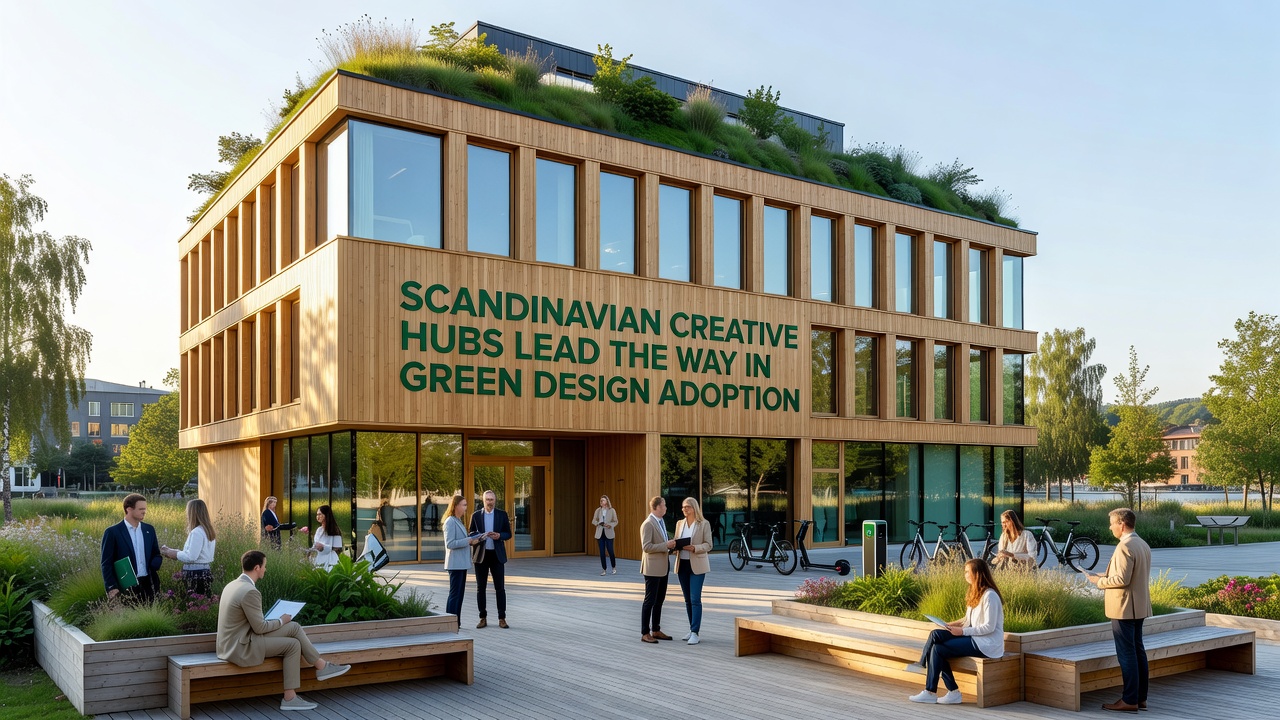
Creative hubs throughout Scandinavia continue to integrate sustainable materials and processes into design workflows at a notable pace, with clusters in Copenhagen, Stockholm, Oslo, and Helsinki reporting measurable shifts toward circular economy principles and low-carbon production methods. Data from regional industry surveys shows that adoption rates for green certifications in these centers have risen steadily since 2023, driven by policy incentives and collaborative networks that connect architects, product designers, and digital media teams.
Key Hubs and Their Approaches
Copenhagen's design districts have implemented shared resource platforms where studios exchange reclaimed wood and recycled metals, reducing material waste by documented percentages according to local monitoring reports. Stockholm's creative precincts meanwhile focus on digital prototyping tools that minimize physical mockups, and observers note how these practices align with national targets for carbon neutrality. In Oslo and Helsinki, similar facilities incorporate renewable energy sources directly into studio operations, while research from Nordic institutions highlights partnerships between universities and independent creators that test new bio-based composites.
Figures released by the Nordic Council of Ministers indicate that over 60 percent of creative enterprises in these hubs now track their environmental footprints using standardized metrics, a development that builds on earlier pilots from the mid-2020s. What's interesting is how these efforts extend beyond architecture into graphic design and interactive media, where teams apply life-cycle assessments to packaging and digital distribution strategies alike.
Adoption Metrics and Regional Data
Statistics compiled through 2025 demonstrate consistent growth in green design certifications across the region, with Denmark and Sweden recording the highest concentrations of projects meeting international sustainability benchmarks. Reports from the Nordic Co-operation outline specific programs that provide funding for material innovation, and these initiatives have supported the scaling of mycelium-based insulation and algae-derived pigments in multiple studios. In parallel, Finnish hubs have emphasized closed-loop systems for textile design, where waste streams from one project feed directly into the next.
September 2026 marks the scheduled release of updated adoption indices from several national agencies, which are expected to capture further progress in cross-border collaborations. Those who've examined preliminary datasets point to increased use of modular construction techniques that allow rapid reconfiguration of exhibition spaces with minimal resource consumption. And evidence from academic studies suggests that these methods deliver both environmental and economic benefits when measured over multi-year periods.
Collaborations and Technology Integration
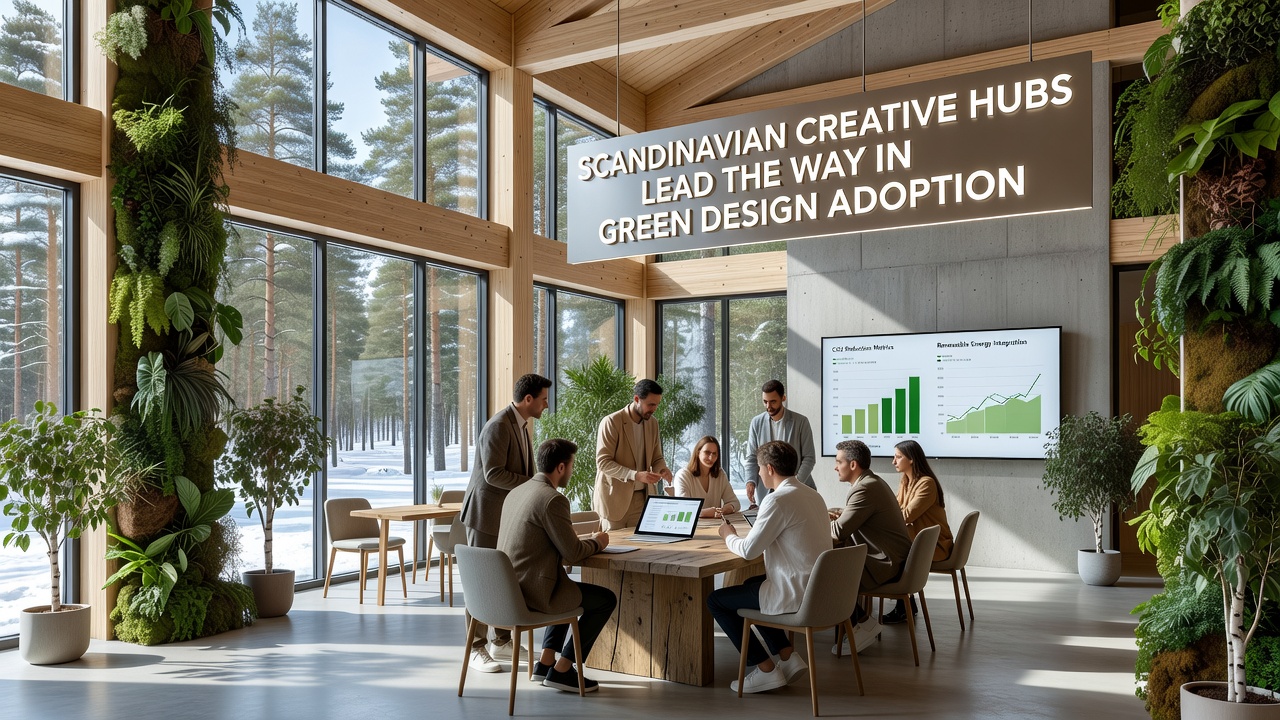
Partnerships between creative centers and technology providers have accelerated the deployment of AI-assisted tools that optimize energy use during production cycles, according to industry analyses. One case involves a Stockholm collective that reduced its operational emissions after adopting sensor networks originally developed for manufacturing sectors. Researchers at institutions across the Nordics continue to publish findings on how such integrations affect overall design timelines, often showing shorter iteration phases without compromising output quality.
Additional programs link Scandinavian hubs with counterparts in other regions through knowledge exchange forums, where participants share data on supply chain traceability. A report issued by the OECD Environment Directorate notes comparable patterns emerging in select non-European clusters, yet the density of interconnected studios in Scandinavia remains distinctive. These networks facilitate joint testing of low-impact dyes and adhesives, yielding practical guidelines that smaller teams can apply directly.
Future Outlook and Ongoing Developments
Continued expansion of green design practices depends on sustained access to training resources and updated regulatory frameworks, as outlined in national sustainability roadmaps. Creative professionals in the region have formed working groups that monitor emerging materials and evaluate their scalability for commercial applications. Data indicates that investment in these areas has grown in tandem with public awareness campaigns highlighting the role of design in broader climate strategies.
Conclusion
Scandinavian creative hubs maintain their position at the forefront of green design adoption through coordinated use of policy support, material innovation, and cross-disciplinary partnerships. Ongoing data collection and technology integration point to further refinements in the coming years, with September 2026 serving as a key checkpoint for updated regional benchmarks. The patterns observed across these centers provide concrete examples of how creative industries can align operational choices with environmental objectives.