Greta Werner · 2 September 2026
The European Commission has unveiled new guidelines for cultural funding that prioritize cross-border collaboration and digital innovation, prompting intense discussions among artists in less urbanized areas. These reforms, part of the Creative Europe program update, allocate increased resources to projects fostering inclusion while reducing support for traditional local grants. Regional creators argue the changes could marginalize smaller communities reliant on established funding streams.
Key Elements of the Proposed Changes
Under the revised framework, at least 40 percent of grants must involve partnerships across multiple member states, with emphasis on sustainability and technology integration. Officials state this approach addresses fragmentation in the cultural sector and promotes broader accessibility. Data from the Commission indicates previous allocations often favored major cities, leaving peripheral regions with limited access. Critics highlight that administrative burdens for applications have risen, potentially excluding independent artists without institutional backing. Several member states, including those in Eastern and Southern Europe, have voiced concerns over the shift away from national priorities toward EU-wide metrics.
Implementation is scheduled for 2025, with pilot programs already underway in select regions. Funding totals remain stable at approximately 2.4 billion euros annually, yet distribution criteria now favor measurable impact over artistic merit alone. Analysts note this could encourage hybrid projects blending visual arts with data analytics or virtual exhibitions.
Responses Across Affected Communities
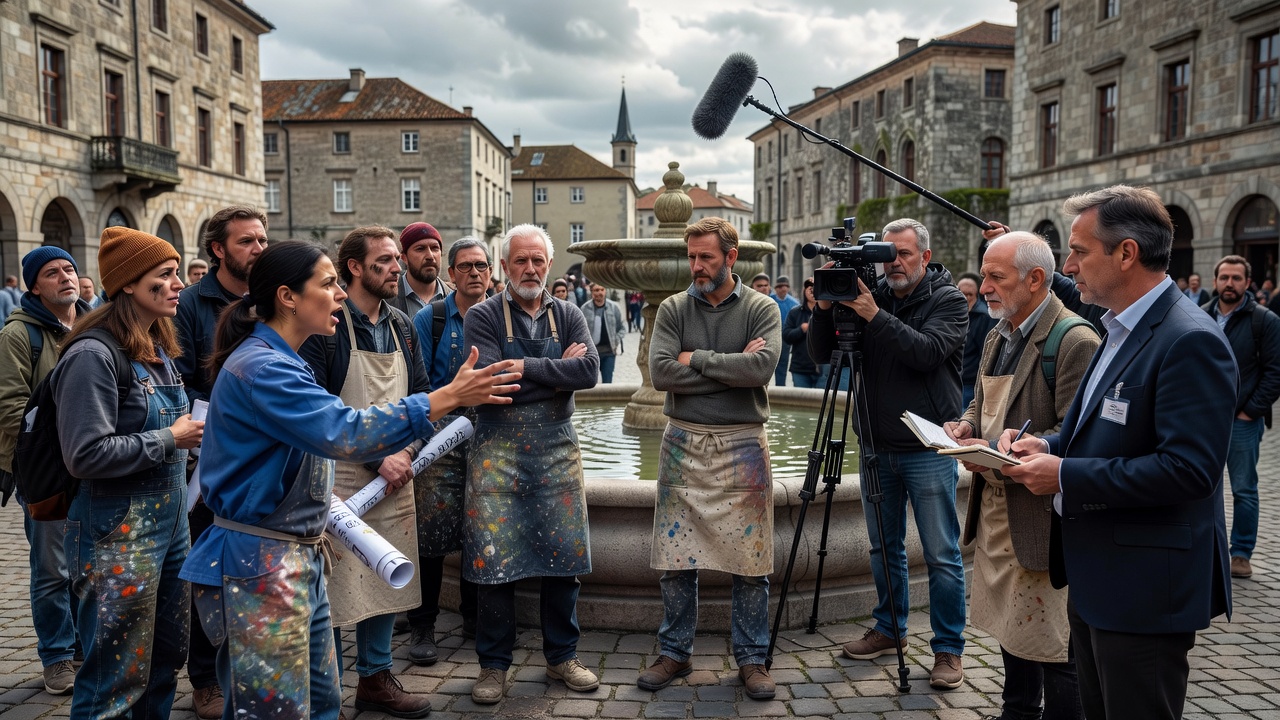
Artists in rural Spain and Poland have organized forums to examine how the reforms affect local festivals and heritage preservation efforts. Some welcome opportunities for international exposure, citing successful collaborations in Nordic countries that boosted visibility. Others fear loss of autonomy, as regional bodies lose discretion in allocating funds. A painter from a small Italian town described the process as favoring urban networks, while a theater director in Bulgaria pointed to successful community projects now at risk. Surveys conducted by cultural associations reveal divided opinions, with 55 percent of respondents expressing optimism about innovation and 45 percent worried about sustainability of local scenes. Negotiations continue in Brussels as stakeholders seek adjustments before full rollout, underscoring tensions between centralized policy and grassroots creativity.