Theo Wagner · 2 September 2026
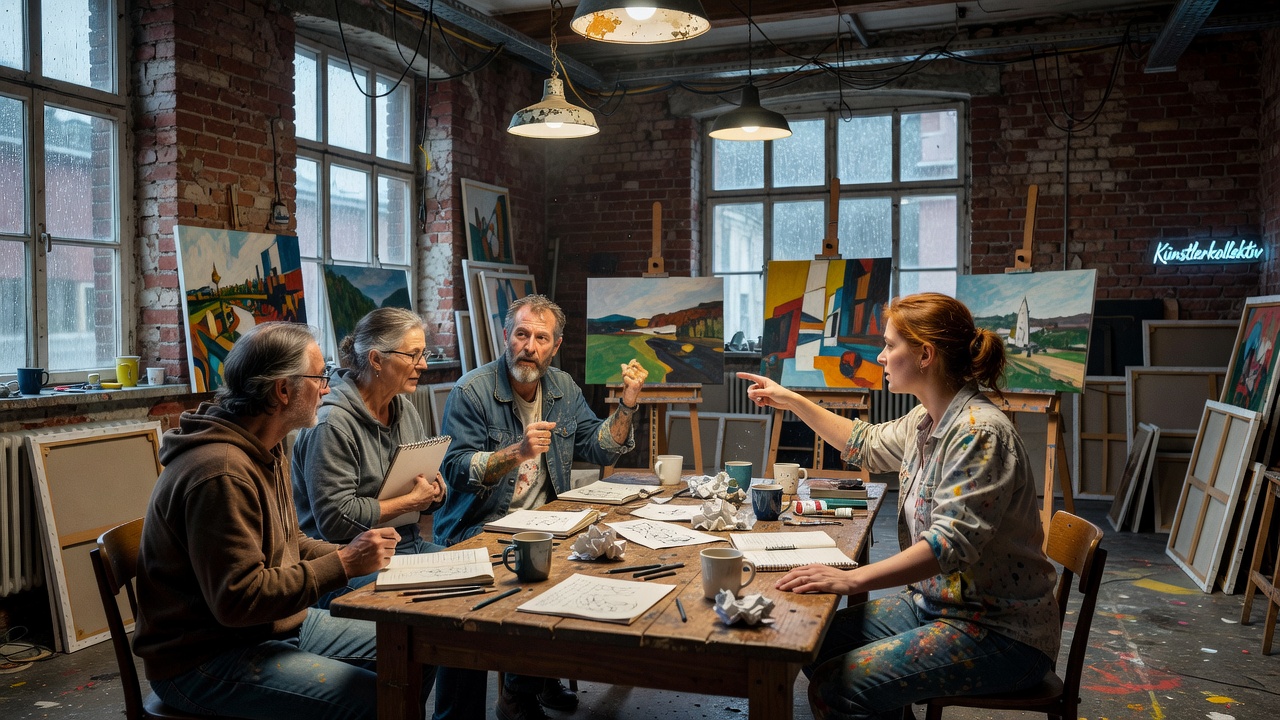
The European Union has introduced new reforms to its cultural funding mechanisms, aiming to promote greater inclusivity and sustainability in the arts sector. These changes, part of the Creative Europe program update, have prompted intense discussions among artists in various regions, who express concerns over allocation priorities and eligibility criteria. The reforms seek to address previous imbalances by prioritizing projects that demonstrate environmental responsibility and social impact.
Regional Perspectives on Funding Allocation
Artists in Southern Europe, particularly in Italy and Spain, have voiced worries that the reforms favor urban centers over rural communities. A recent survey by the European Cultural Foundation indicates that 65% of regional artists feel underrepresented in the new framework. In contrast, Northern European artists from Sweden and Finland highlight opportunities for cross-border collaborations enabled by the updated policies. Debates have also emerged regarding the emphasis on digital transformation, which some traditional artisans argue disadvantages those working with classical mediums. Forums held in Brussels last month featured representatives from multiple member states, underscoring the divide between established institutions and independent creators. Additional concerns include language barriers in application processes and varying national interpretations of the guidelines.
Implications for Future Cultural Policies
Policy analysts suggest that these reforms could reshape the landscape of European arts for decades. With a budget increase of 15% allocated to grassroots initiatives, there is potential for broader participation. However, critics point to bureaucratic hurdles that may deter smaller organizations from applying. In Eastern Europe, countries like Poland and Hungary are adapting their local strategies to align with EU directives, leading to mixed reactions from the artistic community. Experts recommend enhanced support mechanisms, such as workshops and advisory services, to facilitate smoother transitions. As the implementation phase begins, ongoing dialogues between EU officials and artist collectives are expected to refine the guidelines further. This period of adjustment reflects the dynamic nature of cultural policy in a union of diverse nations, where balancing innovation with tradition remains a central challenge. Overall, the reforms underscore the EU's commitment to fostering a vibrant cultural ecosystem amid evolving societal needs.