Theo Washington · 2 September 2026
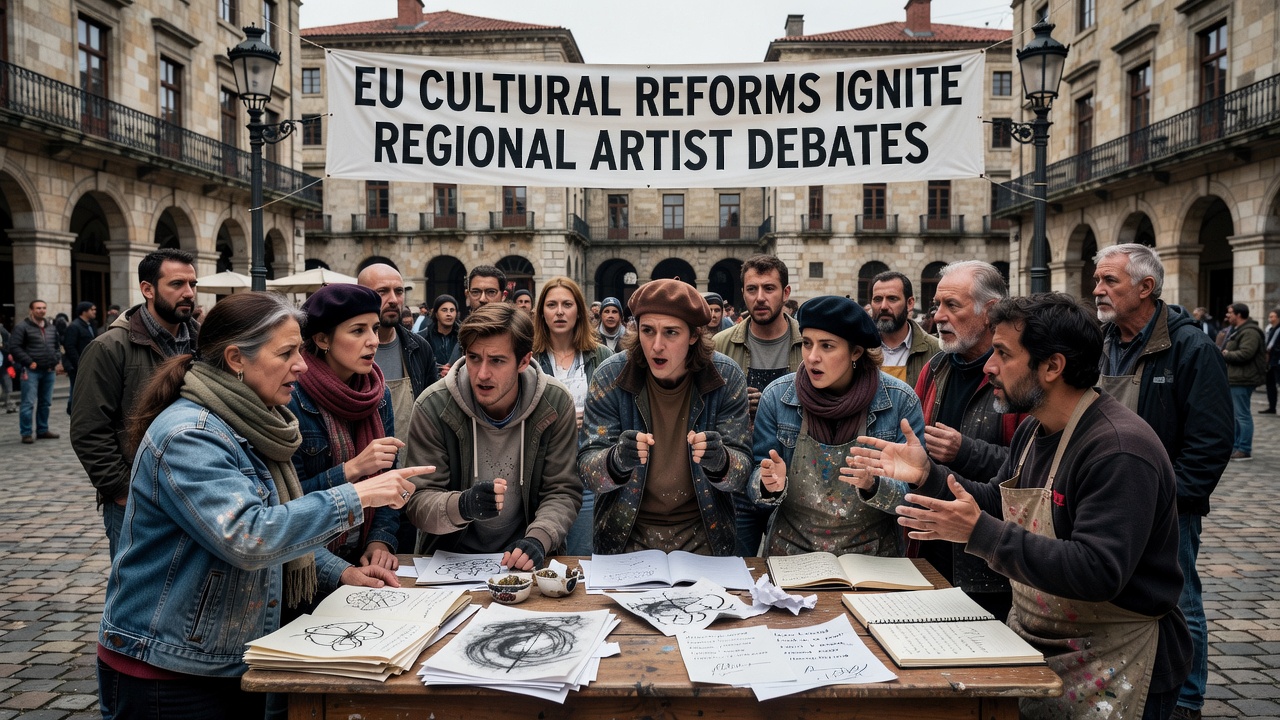
European Union proposals to overhaul cultural funding allocation have triggered intense discussions among artists in peripheral regions. The reforms aim to redirect resources toward cross-border projects while reducing direct grants to national institutions. Officials argue the changes promote equity and innovation across member states.
Proposed Changes to Funding Mechanisms
The European Commission outlined adjustments that prioritize collaborative initiatives involving multiple countries. Under the new framework, approximately 40 percent of the Creative Europe budget would support transnational partnerships. Regional artists from areas such as Eastern Europe and the Mediterranean islands have expressed concern that smaller local organizations may struggle to meet eligibility criteria requiring international partners. Data from the Commission indicates that previous funding rounds allocated 65 percent of resources to projects based in capital cities. Critics contend this centralization has limited opportunities for creators in rural or economically disadvantaged zones. Supporters highlight that streamlined application processes could accelerate project approvals by up to six months.
Responses from Regional Artist Communities
Artist collectives in Poland, Greece, and Portugal have organized forums to assess the potential effects on independent practitioners. Surveys conducted by regional cultural networks show 58 percent of respondents fear reduced access to core operational support. Several groups advocate for supplementary national matching funds to offset anticipated shortfalls. Meanwhile, representatives from the Commission emphasize ongoing consultations scheduled through the next quarter. They note that pilot programs in three member states demonstrated increased participation from underrepresented regions. Observers suggest the outcome of these debates may shape the final regulation text expected later this year. The discussions underscore broader tensions between centralized policy goals and localized creative needs within the union.