Theo Washington · 24 September 2026
Archives Meet Airwaves as Regional Stations Weave Listener Recordings into Live Broadcasts
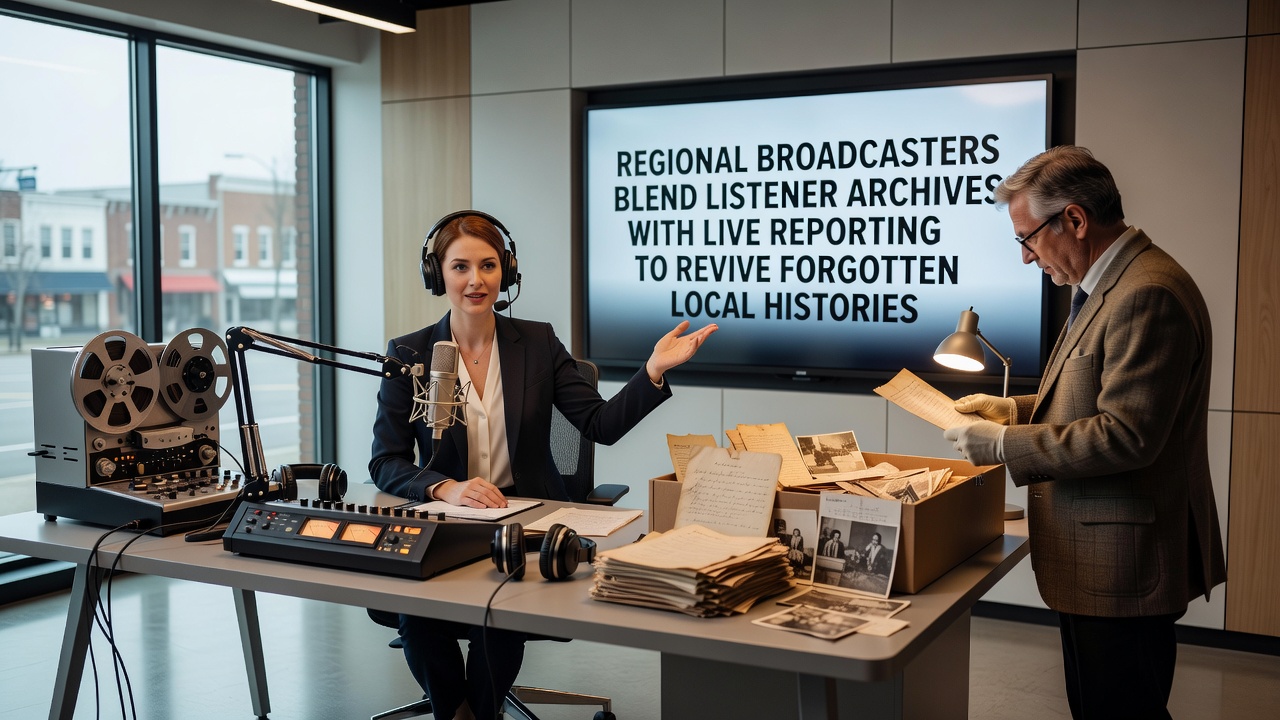
Regional broadcasters across multiple continents have started combining decades-old listener submissions with real-time reporting, creating programs that reconstruct overlooked community events and personal stories from earlier eras. Stations in rural districts of North America, Europe, and Australia now solicit old reel-to-reel tapes, handwritten diaries, and early voicemail messages from residents, then integrate those materials into ongoing news segments that cover current developments in the same locations.
Mechanics Behind the Blending Process
Producers first digitize analog submissions, tag them with dates and geographic markers, then route selected clips into live shows where reporters cross-reference the older material against present-day conditions. One station in southern Sweden, for instance, aired a 1974 recording of a village meeting about farmland drainage right before cutting to a field reporter who described new irrigation projects approved in 2025. Listeners hear the contrast without any narration that imposes interpretation; instead the juxtaposition itself supplies the narrative thread.
Software platforms used by these outlets allow simultaneous playback of archived audio alongside live microphone feeds, so the transition between past and present occurs within a single unbroken segment. Data from the European Broadcasting Union shows that stations adopting this method increased archive usage by 38 percent between 2023 and 2025, while listener submissions rose by 22 percent during the same interval.
Examples from Different Regions
In the Canadian province of Nova Scotia a community station located in Lunenburg County pulled 1980s interviews with shipyard workers and placed them beside reports on current vessel refits at the same docks. The resulting series documented shifts in employment patterns without additional commentary. Researchers at Dalhousie University later analyzed the broadcast logs and noted that the programs prompted 147 new archival donations within four months of airing.
A station serving the wheat belt of Western Australia followed a similar pattern when it located cassette letters sent by farmers during the 1994 drought and paired them with live updates on current water allocations from the Murray-Darling Basin Authority. Audience figures compiled by the Australian Communications and Media Authority indicated a 19 percent rise in regional listenership for those particular evening slots.
Role of Listener Contributions
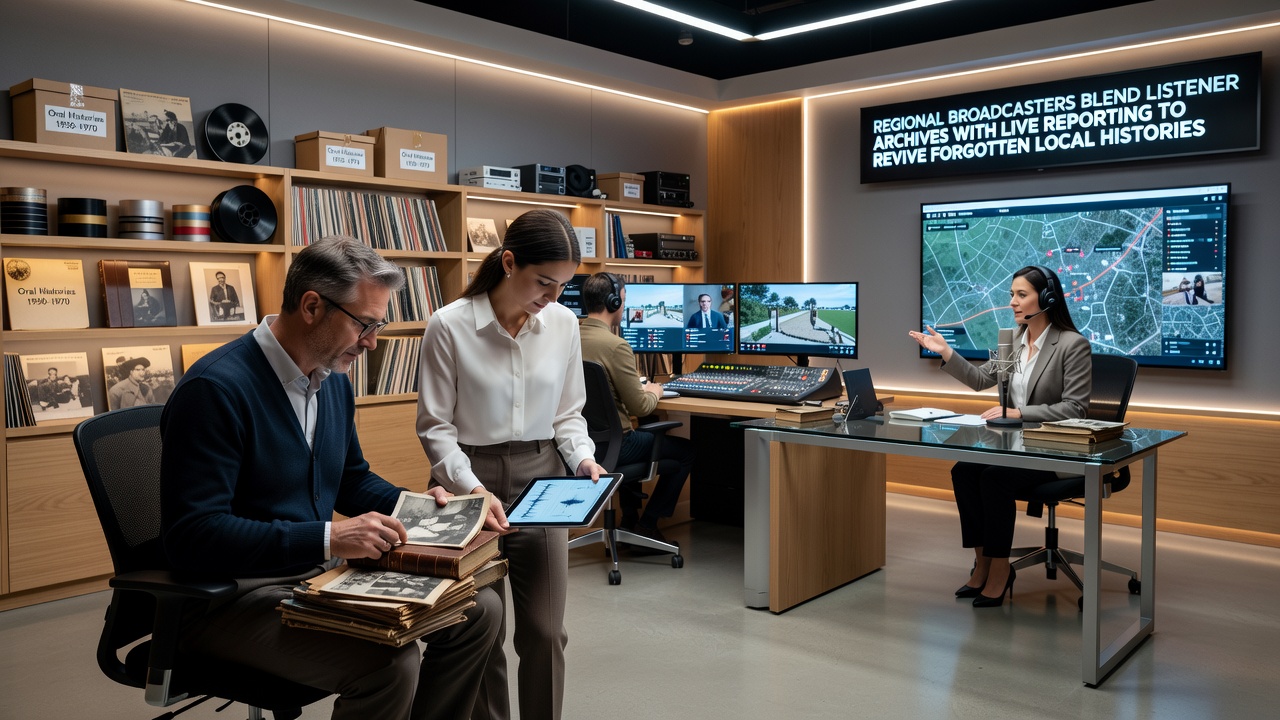
Call-in lines and dedicated upload portals remain open year-round, yet participation spikes after specific on-air prompts that mention a particular decade or event type. Broadcasters report that contributors often supply context that official records lack, such as personal observations of weather patterns or informal accounts of town council decisions. These additions allow reporters to reference primary material that would otherwise remain stored in private homes or local historical societies.
September 2026 marks the scheduled launch of a coordinated cross-border initiative among twelve stations in the Nordic and Baltic regions. Organizers plan to synchronize archive segments that describe mid-twentieth-century migration waves with live coverage of contemporary resettlement programs, using a shared digital repository managed by the Nordic Council of Ministers.
Technical and Editorial Standards
Stations maintain strict chain-of-custody logs for every submitted item, recording donor names, original formats, and transfer dates. Editorial guidelines require that archived clips retain their original audio characteristics, including background noise and interruptions, so listeners can distinguish them from polished contemporary reports. Sound engineers apply only minimal noise reduction to preserve authenticity while ensuring intelligibility on modern receivers.
Training programs offered by the International Association of Broadcasting now include modules on archive integration, and more than 60 regional outlets have sent staff to these sessions since early 2024. Certification requires demonstration that live segments reference at least three verifiable archival sources per broadcast hour.
Conclusion
The practice of interleaving listener archives with live reporting continues to expand as more stations acquire digitization equipment adn establish submission protocols. Figures released by national media regulators in Canada, Australia, and several EU member states show consistent growth in both donations and airtime allocated to these hybrid formats. The approach supplies communities with direct access to their own documented past while maintaining the immediacy of current coverage, resulting in broadcast schedules that connect earlier local events to ongoing developments without additional interpretive layers.